Tokenization of Real-World Assets (RWA): The Next Big Thing in Web3


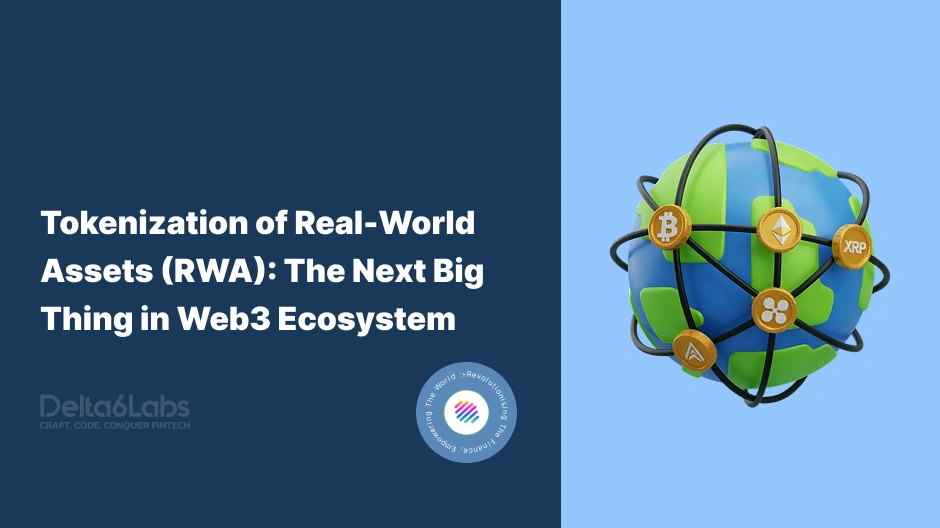
Table of Contents
Share
 Listen to the article and dive into a detailed exploration of the topic
4 min read
Key Takeaways
- Real-World Asset (RWA) tokenization converts tangible or intangible assets (like real estate, art, commodities, or debt instruments) into digital tokens on a blockchain.
- It bridges traditional finance (TradFi) and decentralized finance (DeFi) by unlocking liquidity, enabling fractional ownership, and improving transparency.
- Blockchain-based records streamline settlement, compliance, and auditing — reducing intermediaries and costs.
- Investors gain access to previously illiquid or high-barrier markets through fractional investments.
- Tokenization must adhere to securities, KYC/AML, and jurisdiction-specific laws to protect investors and issuers.
If you strip away all the hype and noise, Web3 has always been about one thing: bringing ownership back to people. And I mean an ownership settlement, not of the digital sort that comes with tokens or NFTs, but real and tangible control over assets and value. That’s the dream, and what we might call movement toward tokenizing real-world assets (RWA) may be the make or break for seeing this dream come true.
We’ve watched the blockchain world evolve from pure speculation and collectibles to something much more practical. The attention is now moving from pictures of apes to title deeds, gold, invoices, stocks and works of art — and even carbon credits. After all, tokenization is not only a concept –it is now at the heart of how assets might be owned, transferred and financed in the digital era.
What Does Tokenization Mean?
Tokenization is the digitization of rights to an asset, such as a building or painting or a barrel of crude oil. Each token is either a partial or whole share of ownership.
Imagine slicing those into thousands of digital shares of a skyscraper. Instead of requiring millions to spend on prime property, anyone could purchase a small fraction represented by a token. Those tokens can be traded, transferred or used as collateral instantly, transparently and without traditional middlemen.
Put simply, tokenization is turning real-world value into programmable digital assets.
Why Tokenization Is Gaining Momentum?
Of course, the notion of digital representation of physical assets is not new. Traditional finance has been trying to do it for years using complex instruments and intermediaries. What has changed is the technology, but more important, the mind-set. Here’s what tokenization is all about:
Fractional Ownership
High-value assets such as commercial real estate, fine arts or luxury cars were already a game for the privileged. It is through tokenization that these assets can be divided into more cost-effective shares, making it accessible for everyone.
Liquidity for Illiquid Assets
Real-world assets, such as property or private equity, are known to be extremely difficult to sell rapidly. The tokens can be traded 24/7 on digital markets, developing liquidity where none existed before.
Transparency and Traceability
Each transaction of tokens is written to the blockchain, recording an irreversible history regarding ownership and move. That means no under-the-table deals, no backroom document swaps and no dirty tricks.
Faster, Affordable Transactions
Smart contracts automate what used to take banks, brokers and notaries weeks on end. Settlement is nearly instantaneous, and the click fees on trades fall dramatically.
Global Access
Once you tokenize an asset, it’s no longer geography bound. An investor in Singapore can buy shares of a hotel located in London as simply as investing in crypto, both just within a few clicks.
This blend of efficiency, transparency, and accessibility is actually why tokenization is now referred to as the bridge between traditional finance (TradFi) and decentralized finance (DeFi).
The New World of RWA Tokenization
There has been a flurry of interest over the last year from both crypto-native and traditional institutions. Venture capital funds, private equity groups, and even governments are all exploring how blockchain can be used to represent physical value.
Here are a few of the things that already exist and have been tokenized:
- Real Estate: Whether it be residential apartments in Dubai or commercial buildings in the U.S., property developers too are trying out fractional ownership.
- Commodities: It is even happening in gold, silver and oil reserves as they are being tokenized so that investors can buy, trade or hedge the digital version of the item.
- Private Credit and Bonds: Debt instruments have been tokenize, allowing investors new ways to earn yield with this on-chain transparency.
- Art and Collectibles: Tokenization is being utilized by both museums and artists in an attempt to make ownership accessible to a global audience.
- Carbon Credits: Tokenized assets of sustainability are enabling the easy exchange of verified carbon offsets, and leading to a greener economy.
This trend is not only for small startups. Established financial titans are stepping up to the plate too — and they know that tokenization is not a play of finance, but it is a re-engineering.
The Technology Powering the Movement
Yet at its essence, tokenization is about using blockchain to generate irrefutable records of ownership. But behind the curtain, there are several gears turning:
- Smart Contracts: These are contracts in digital form that automatically look after ownership, distribution and enforcement.
- Oracles: Oracles feed in data from the real world — property valuations, or gold prices, say — into blockchain systems to keep token values accurate.
- Custody and Compliance Layers:Both in the digital and physical dimensions, they are designed so that tokenized assets remains legally valid and secure.
- Wallets and WaaS Solutions: Wallet-as-a-Service platforms enable institutions and end-users to manage tokenized assets without the need to maintain blockchain infrastructure.
It’s not about re-inventing ownership; it’s about making it smarter, faster and more transparent.
The Roadblocks Ahead
While tokenization is expected to accelerate in the coming years, it still has a few obstacles to overcome before it’s mainstream:
- Unclear regulation: There is no single way in which tokenized assets are treated by different jurisdictions, which may be complicated for global investors.
- Infrastructure Gaps: Interoperability between legacy financial infrastructures and blockchain networks is still evolving.
- Education and Trust: It takes time to convince institutional players and retail investors to trust digital versions of real world assets.
- Valuation and Custody Risks: Making sure the on chain value is really reflected by the off chain, real world asset is necessary in order to maintain trust and stability.
Those challenges are not deal-breakers — they’re growing pains. All major technological changes in finance have met with skepticism at the outset. Tokenization is no exception.
A Glimpse Into the Future
Jump the clock ahead a few years and the line between “traditional” assets and “digital” ones might vanish entirely. Your digital wallet might have a small slice of an office tower, part of a stake in a startup and an offering of tokenized gold — all tradable in real time and all governed by transparent smart contracts.
Now think about mortgage payments, dividends or rental income being automatically paid onto a blockchain. Think of an era of ownership where everyone has equal access, and investment borders are replaced with one big one.
That’s not some farfetched vision, it’s what must come next. And as infrastructure, regulation and adoption mature, tokenization will silently form the inexorable base of global finance.
Why Delta6Labs for Real-World Asset (RWA) Tokenization?
Delta6Labs goes beyond simple compliance and puts an end-to-end solution for real world asset tokenization into the hands of businesses safely taking traditional assets on-chain. Leveraging deep blockchain development and smart contract expertise, as well as regulatory knowledge, Delta6Labs makes certain that each tokenized asset meets legal, technical and market needs.
Final Words
The tokenization of real-world assets is not just a technical innovation; it’s a philosophical one. It will redefine who gets to own, invest and be a part of wealth creation.
For generations, access to valuable resources has been walled off — by geography, capital or privilege. Tokenization tears down those walls. It brings to value itself the same inclusivity and transparency that made the internet revolutionary.
And with Web3 advancing, tokenized RWAs could be the bridge that finally unites the old world of finance with the new digital economy. It’s not merely the “next big thing.” It is what all that follow are built on.
Frequently Asked Questions
It allows investors to access high-value assets at lower entry points, increases liquidity by enabling secondary trading, and enhances transparency through blockchain-based ownership records.
Recognition varies by jurisdiction. Many countries are updating legal frameworks to accommodate digital securities and tokenised assets, but regulatory clarity is still evolving.
Real estate, private credit, commodities, fine art, and carbon markets are among the most active sectors experimenting with or adopting tokenization.
Tokenization increases liquidity, improves transparency, reduces intermediaries, and enables fractional ownership, making traditionally illiquid assets more accessible to global investors.
Yes, but legality depends on jurisdiction. Most RWA projects must comply with securities laws, KYC/AML regulations, and local asset-ownership frameworks.
Disclaimer:
The information on this blog is for knowledge purposes only. The content provided is subject to updates, completion, verification, and amendments, which may result in significant changes.
Nothing in this blog is intended to serve as legal, tax, securities, or investment advice of any investment or a solicitation for any product or service.
 Trending Topics